
TechnologyRead at source ↗ SITA Moves to Buy CAE's Flightscape, Adding Crew, Planning and Ops-Control Software to Its Airline PortfolioSouthwest Becomes First US Airline With a ChatGPT Booking Plug-In, Built With OpenAI and AWS
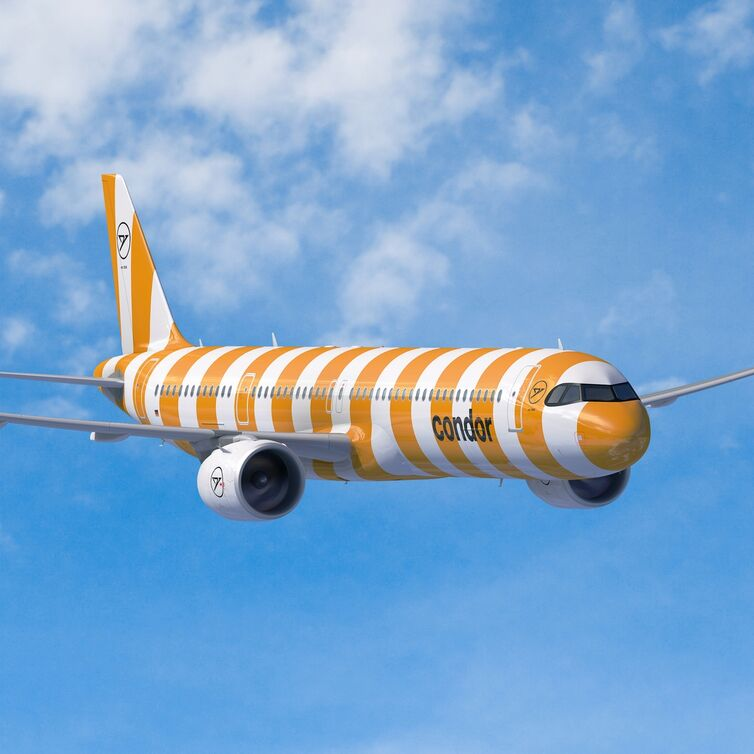 Condor Replaces Paper Tech Logs With a Fully Digital System Across About 60 Aircraft
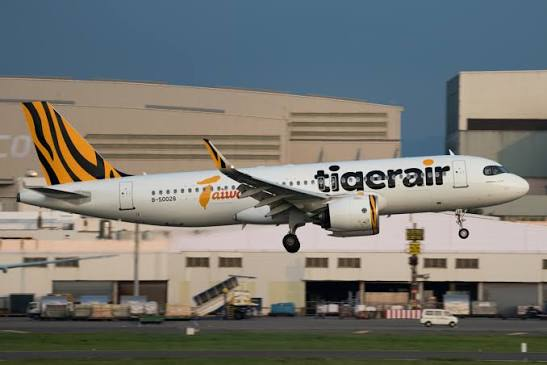 Tigerair Taiwan Signs a Five-Year Deal to Digitise Its Aircraft Records With flydocs
FAA Begins Rolling Out AI-Powered Air Traffic Tool, Starting in Washington
The Federal Aviation Administration is preparing to bring its new predictive air-traffic platform, SMART (Strategic Management of Airspace, Routes, and Trajectories), into live operation for the first time, starting in Washington-area airspace on September 21. SMART is a cloud-based system that pulls together airline schedules, weather, runway capacity, airspace conditions and other operational constraints to forecast traffic flow and flag potential conflicts before they build into delays, with an FAA fact sheet describing it as giving controllers "a shared, data-driven view of the National Airspace before flights depart." The tool uses artificial intelligence to spot congestion and routing conflicts earlier than existing methods allow, then suggests adjustments to departure times, routes or timing at specific en-route points — but the FAA has been explicit that it remains advisory only, with human controllers retaining full responsibility for separating aircraft. The Washington rollout opens a 90-day testing period meant to validate the system's recommendations and build airline confidence before any wider deployment. The platform was built under an $875 million, 12-year contract with Air Space Intelligence, part of a broader Flow Management Data and Services program. FAA Administrator Bryan Bedford said the system helps controllers by "adjusting departure times, routes, and timing" based on its predictions, positioning it as a tool that supports existing staff rather than replacing them.
The FAA is deploying SMART, a predictive AI platform built to flag congestion and routing conflicts before they happen, starting with Washington-area airspace on September 21. Controllers keep full authority over aircraft separation — the system only suggests adjustments.
Original reporting
Airways Magazine · Helwing Villamizar
Related in Technology
Technology
SITA has agreed to acquire Flightscape, CAE's airline operations software unit, whose tools cover flight planning, crew management and operations control. The deal is expected to close in the first half of 2027, subject to regulatory approvals.
27 Oct 2026 · 1 min read
Source: Aircraft IT
Technology
Southwest Airlines has launched a plug-in that lets customers search for fares inside ChatGPT, then finish the purchase on its own website. It was developed with OpenAI and Amazon Web Services.
7 Oct 2026 · 1 min read
Source: World Aviation Festival· Elsie Clark
Technology
The airline went live on AMOSeTL in July after parallel testing that began in December, with every pilot, cabin crew member and mechanic trained by June. The system has separate pilot, cabin and maintenance modes.
30 Sept 2026 · 1 min read
Source: Aircraft IT
Technology
The Lufthansa Technik-owned records specialist will roll out its DRM Next Generation platform across the low-cost carrier's 17 aircraft. The agreement was signed at MRO Asia-Pacific in Singapore.
30 Sept 2026 · 1 min read
Source: Aircraft IT
Latest in Technology
01
02